Starting a cake shop in India is a dream for many baking enthusiasts and first-time entrepreneurs. Cakes are no longer limited to birthdays alone. Today, they are an essential part of weddings, anniversaries, office celebrations, festivals, and even everyday indulgence. With changing lifestyles and increasing demand for customised and premium cakes, the cake business in India continues to grow steadily across metros and tier-2 cities.
However, running a successful cake shop is not just about baking delicious cakes. Many cake shops struggle or shut down because of poor planning, lack of compliance, weak operations, or manual management. This guide is written to help you start a cake shop business in India the right way in 2026, with clarity on investment, licenses, setup, operations, and growth.
Why Starting a Cake Shop Is a Good Business Idea in India
India’s bakery market has seen strong growth over the last decade. Customers today actively look for designer cakes, eggless options, sugar-free variants, and reliable delivery. Social media and online ordering have further increased visibility for local cake shops.
If managed properly, a cake shop can become profitable within the first year. Repeat customers, celebration-based demand, and word-of-mouth play a huge role in long-term success.
Step 1: Decide Your Cake Shop Business Model
Before you invest money, you must decide what type of cake shop you want to run. Your business model will affect your startup cost, space requirement, licenses, and daily operations.
A home-based cake business is ideal if you want to start small and test the market. A single retail cake shop is the most common model and offers both walk-in and online sales. A cloud kitchen model focuses entirely on delivery and works well in dense urban areas. Experienced entrepreneurs may consider setting up multiple outlets once systems are in place.
Choosing the right model early helps you avoid unnecessary expenses later.
Step 2: Estimate the Investment and Startup Cost
The investment required to start a cake shop in India depends on the size of the shop, location, and level of branding. Common expenses include shop rent and deposit, baking equipment, display counters, raw materials, packaging, licenses, staff salaries, and initial marketing.
On average, a small cake shop can be started with an investment of ₹5–10 lakhs. A mid-sized or premium outlet may require ₹15–25 lakhs or more. Planning your budget carefully helps prevent cash flow problems in the first few months.
Step 3: Get Required Licenses and Registrations
Running a cake shop without proper licenses can lead to penalties or forced closure. At a minimum, you must obtain FSSAI registration or license, GST registration (if applicable), and Shop & Establishment registration.
Depending on your city and shop size, you may also need a trade license or fire safety clearance. Completing these registrations before launch builds trust and avoids legal trouble.
Step 4: Choose the Right Location
Location plays a major role in the success of a cake shop. Areas with high residential density, markets, schools, offices, and good visibility work best. Ensure your shop is easy to find, accessible for delivery partners, and has basic parking facilities if possible.
Even a small shop can perform well if it is located in the right area.
Step 5: Buy Equipment and Set Up the Kitchen
Good equipment ensures consistent quality and smooth operations. Essential items include a commercial oven, planetary mixer, refrigerator, freezer, cake display unit, work tables, and storage racks.
Avoid cutting corners on core equipment, as breakdowns can disrupt daily production and orders.
Step 6: Finalise Menu and Pricing
When starting out, it is better to keep your menu focused. Offer a few signature cakes, popular flavours, pastries, and custom cakes. Over time, you can expand based on demand.
Pricing should cover costs while leaving room for profit. Avoid underpricing just to attract customers, as it hurts sustainability.
Step 7: Hire and Train Staff
Even a small cake shop needs reliable staff. This may include a baker or assistant baker, counter staff, and delivery support. Proper training on hygiene, customer handling, and order management is essential.
Clear roles and responsibilities reduce confusion during busy periods.
Step 8: Manage Orders, Inventory, and Billing Smartly
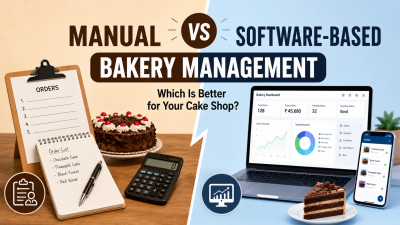
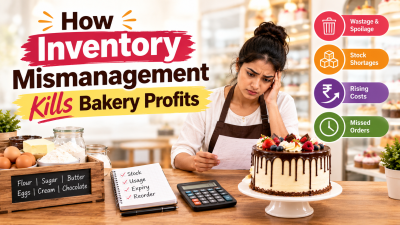
One of the biggest challenges for cake shop owners is managing custom orders, advance bookings, and inventory manually. Relying only on notebooks or WhatsApp messages often leads to missed orders, wastage, and billing errors.
Using bakery management software helps you track orders, manage inventory, handle GST billing, and monitor daily sales and profits. Technology becomes especially important during festivals and high-volume days.
Step 9: Promote Your Cake Shop Effectively
Marketing does not have to be expensive. Start by creating a Google Business Profile so local customers can find you easily. Use Instagram and WhatsApp to showcase your cakes and accept orders.
Local promotions, festival offers, and positive customer reviews help build trust and visibility. Word-of-mouth remains one of the strongest growth drivers for cake shops.
Common Mistakes to Avoid
Many new cake shop owners make similar mistakes, such as ignoring licenses, underpricing products, poor inventory control, manual order tracking, and lack of digital presence. Avoiding these mistakes saves time, money, and stress.
Final Thoughts
Starting a cake shop business in India can be both creatively satisfying and financially rewarding. Success comes from a balance of great products, proper planning, legal compliance, and efficient operations.
If you plan carefully and adopt the right systems from the beginning, your cake shop can grow into a stable and profitable business over time.